
Anxiety & emotional regulation
for pre-teens and teens

Many pre‑teens and teens work incredibly hard to hold it together at school or with friends. Teachers may describe them as responsible, polite, or easygoing. Friends may see them as funny, helpful, or having it all together. From the outside, it can seem like they’re doing just fine.
But at home — where they feel safest — you see the moments when the pressure catches up with them. Their nervous system finally has space to release what they’ve been carrying all day.
You might notice things like:
• irritability or emotional outbursts
• trouble sleeping or shutting their mind off
• perfectionism or fear of making mistakes
• withdrawing from things they used to enjoy
• shutting down when things feel “too much”
• sensitivity to criticism or pressure
• overthinking conversations or decisions
• difficulty handling stress or transitions
• avoiding schoolwork or social situations
• feeling overwhelmed by expectations
• trouble calming down once upset
These patterns can show up in different ways, but they’re all signs that your teen’s internal world is feeling overwhelmed.
It can be hard to know how to help as a parent, but you are not alone.
With the right support, teens can learn to understand their emotions, manage stress, and feel more in control.
Why Teens Experience Anxiety and Emotional Overwhelm
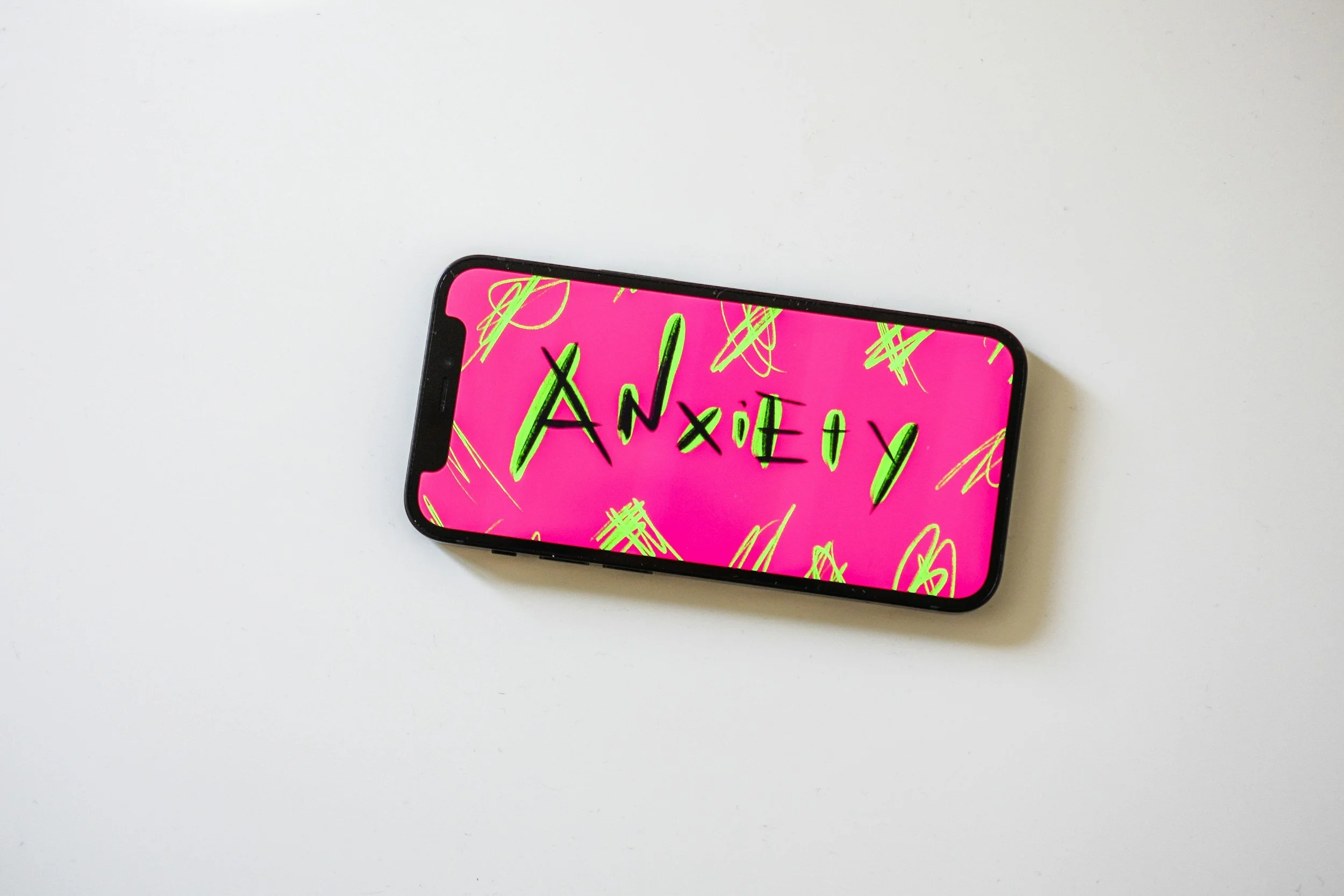
Anxiety and emotional dysregulation in kids and teens rarely come from one single cause.
Common contributing factors include:
• academic pressure
• social stress
• perfectionism or fear of failure
• transitions or big changes
• family stress
• unprocessed experiences
• sensitive or high‑achieving temperament
• internalized expectations or beliefs
• the nonstop pace of digital life
Adolescence has always been a time of intense growth and change. But today’s teens are navigating this while also managing the constant pull of technology and social media. Notifications, comparison, intense content, and the pressure to stay connected can make it harder for their nervous system to rest and reset — especially when they’re already overwhelmed.
When stressful or overwhelming moments aren’t fully processed, the brain stores them in ways that can feel “stuck.” Over time, this can lead to beliefs like:
• “I have to get everything right.”
• “I’m too much.”
• “I can’t handle this.”
• “People will be disappointed in me.”
These beliefs aren’t chosen; they’re learned — and they often show up as anxiety, avoidance, emotional outbursts, or shutting down.
Therapy can help your teen understand what’s happening inside, build emotional tools, and feel more grounded and confident in themselves.
How I Can Help
For more than two decades, I’ve supported children and teens in a wide range of school settings — as a middle and high school mental health coordinator, a school principal, and as the district Director of Mental Health Services for Orange County Public Schools. These experiences, combined with my clinical training, deeply inform the way I support pre‑teens and teens in therapy.
I use a strengths and interests‑based approach, integrating art, writing, games, music, or other creative outlets depending on your teen’s personality. These approaches help them express emotions that are hard to put into words, build confidence, and feel more grounded in who they are.
My work is EMDR‑informed and trauma‑responsive, supporting both emotional regulation and deeper healing when needed.
Within that framework, I integrate:
• Ego states/parts work to help them understand the different “parts” of themselves (the worried part, the overwhelmed part, the perfectionistic part)
• DBT‑informed skills for emotional regulation, grounding, mindfulness, and distress tolerance
• CBT‑informed strategies to reduce overthinking and build healthier thought patterns
• Parent collaboration so you feel supported and aligned without your teen feeling “talked about”
For some teens, once we’ve built enough safety and stability, we may incorporate bilateral stimulation from EMDR to gently process experiences or beliefs that continue to fuel anxiety or emotional reactivity.
Everything is paced carefully and collaboratively, always aligned with your teen’s readiness and capacity.
For more information about my background and how I can help, visit my About page.
What to Expect from Therapy
Sessions with me are strengths based, grounded, and structured in a way that helps teens feel safe, understood, and supported. My communication style is relaxed and conversational, helping teens feel at ease without pressure to open up before they’re ready.
I take time to understand both your teen’s goals and your family’s goals, and we work together to create a plan that feels realistic, obtainable, and aligned with what your teen needs most.
Once we’ve established a clear plan and built a foundation of trust, you can expect:
• a space where your teen feels valued as they are, and doesn’t have to perform or hold it together
• grounding and resourcing practices that help them feel more regulated day‑to‑day
• creative, strengths‑based approaches that make therapy feel engaging and accessible
• clear communication and collaboration with parents while respecting your teen’s privacy
When your teen is ready — and only when they’re ready — we may move into deeper EMDR work to process experiences, beliefs, or patterns that continue to fuel anxiety or emotional reactivity.
This is always paced collaboratively, with careful attention to their nervous system and capacity.

Next Steps
If your teen is struggling with anxiety, overwhelm, perfectionism, or emotional ups and downs, I’m here to help.
I currently offer sessions in person at two Central Florida locations- one in Maitland, Florida and one in downtown Orlando, Fl.
Please reach out to ask any questions, or to schedule a free phone consultation to see if we might be a good fit. I would love to connect.