
Rethinking Resolutions: Considering Mental Health and Wellness
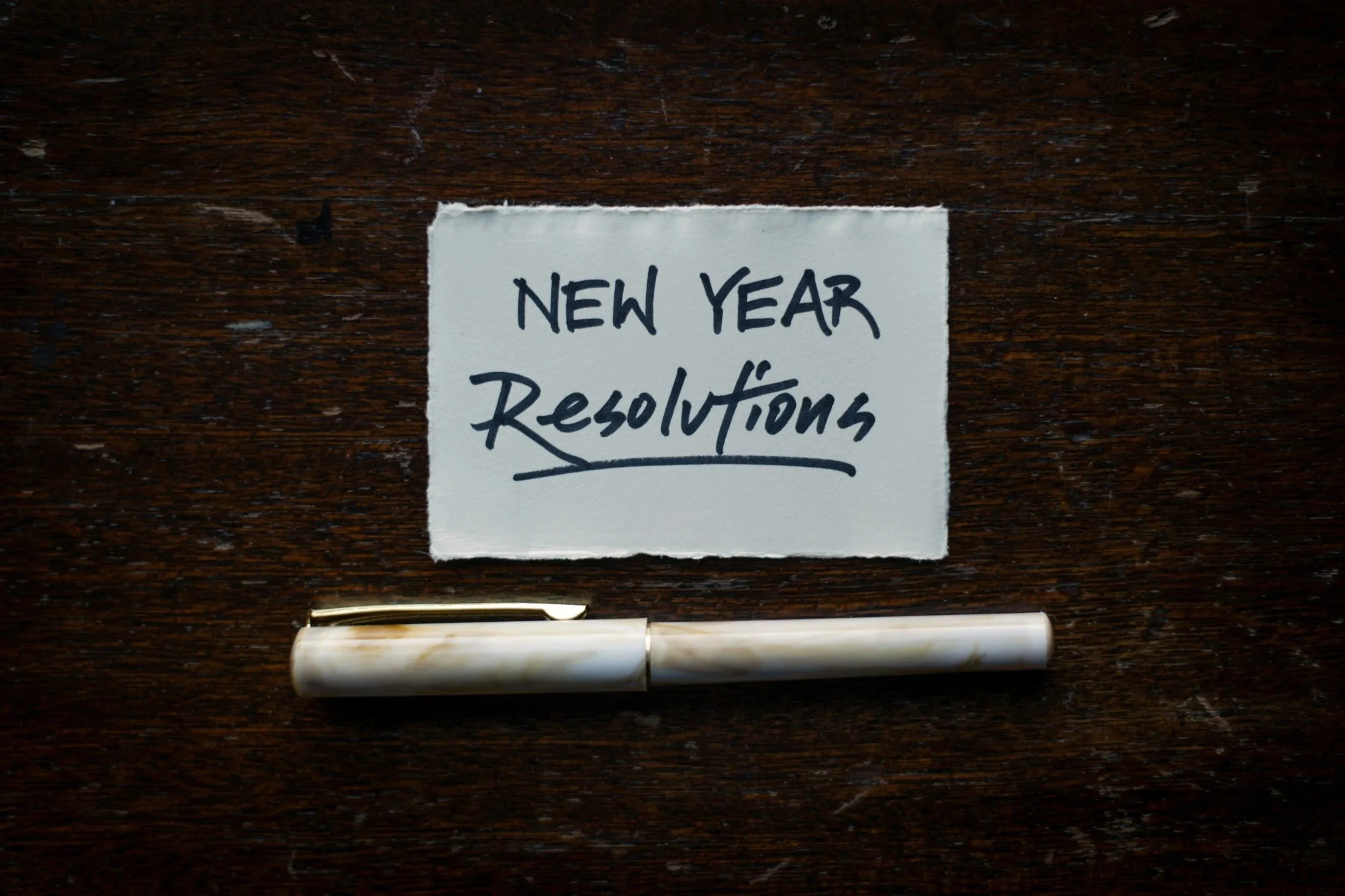
According to Pew Research, nearly half of Americans set New Year’s resolutions—and close to 80% of those focus on physical health, such as diet and exercise. These goals are valuable, but they often leave out a foundational part of our wellbeing…our mental health.
As we close out 2025 and move into 2026, it's worth remembering that health includes mental and emotional well-being too. Alongside caring for our bodies, let’s also reflect on how we’ll nurture our minds, emotions, and relationships in the year ahead.
End of Year Mental Health Inventory
Instead of piling on more tasks, start with a gentle check-in about where you are as we close out the year. Questions you might consider include:
Am I getting enough restful sleep?
Do I feel connected and supported in my relationships?
Am I often on edge or triggered?
What brings me joy and energy?
Do I feel a sense of belonging and purpose?
How well am I able to cope with stress?
Consider writing down your answers to help clarify what’s working—and what’s not. Many people prefer to keep this process to themselves, but sharing with friends or family members can also be helpful.
Family-Friendly Reflection Questions
If you’ve got kids, consider inviting your family, especially teens, into the process. Try prompts (maybe over dinner) to explore their feelings of emotional and connection, such as:
What has helped you feel calm or connected this year?
What has brought you the most joy this year?
What has made you feel proud this year?
What’s been the most challenging or hardest part of this year?
How well do you feel you’ve been handling stress this year?
What relationships have felt the most supportive to you this year?
Easy-to-Implement Mental Health Resolutions
As you reflect on your year, you may discover it is easy to determine what mental health resolutions may be helpful for the year ahead. But if you’re looking for inspiration, consider ideas such as:
Keep a daily gratitude list (could also be a family dinner routine).
Try yoga or meditation for calm and focus.
Spend more time in nature to reset.
Try volunteering for a local non-profit or organization that you are passionate about.
Set digital boundaries- pick certain times or places to “disconnect”.
Reconnect with friends or loved ones.
Explore a new hobby or activity (maybe a social group) that sparks joy (or let go of activities that don’t!).
Practice mindfulness- even setting aside a few minutes periodically each day to focus on breathing and being present can be helpful.
Read (even a few minutes a day can help with stress reduction).
Resolutions don’t have to be about doing more—they can be about continuing what is working, and letting go of what is not. By checking in with yourself and your family, you can set goals that nurture both body and mind, creating a new year rooted in balance, joy, and connection.